
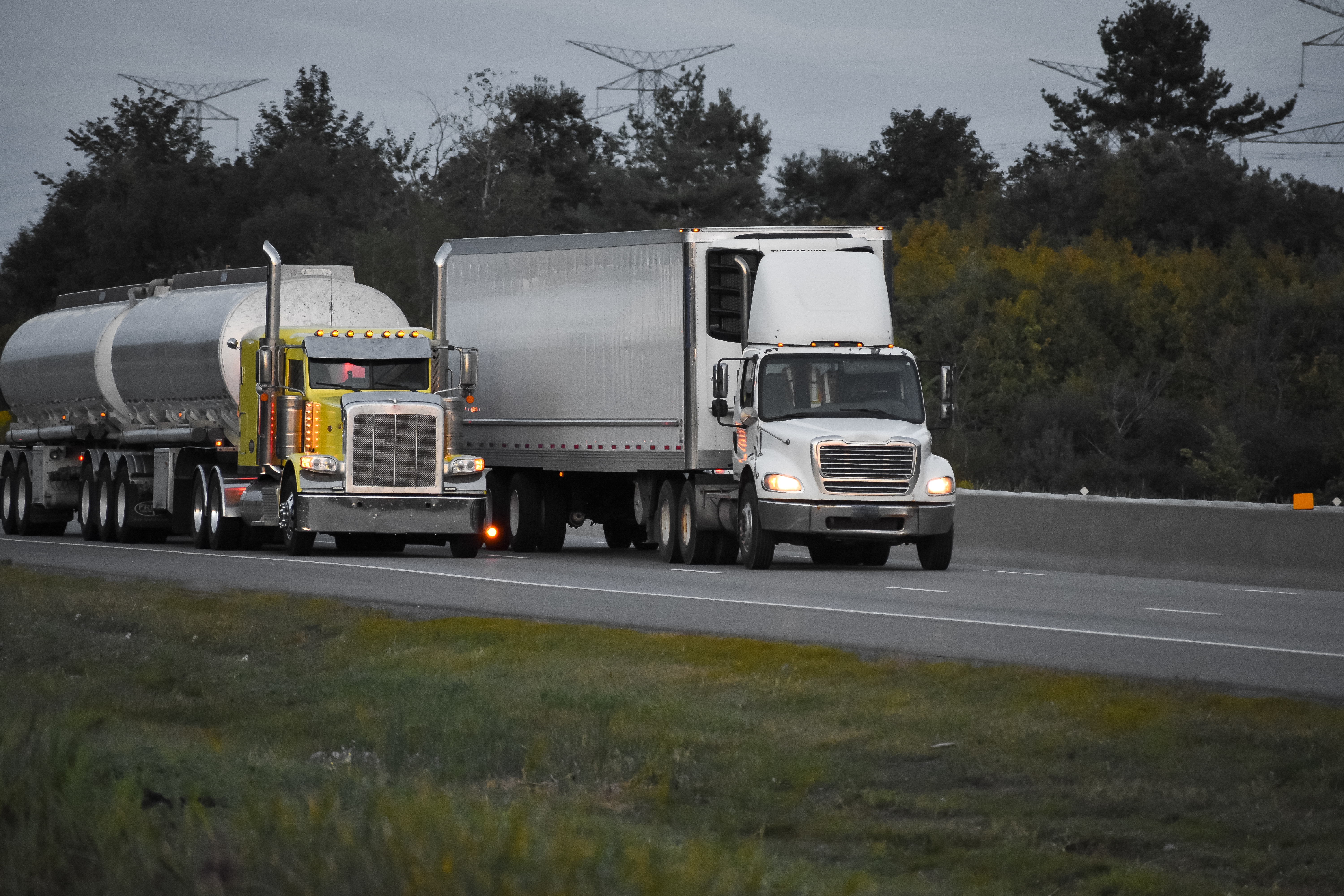
Fall Deer Collision Safety Tips for Commercial Drivers
As fall approaches and daylight continues to shorten, it’s important for companies with employees on the road to stay mindful of seasonal driving challenges. Deer activity increases significantly during this time of year, especially around dawn and dusk when visibility decreases and wildlife becomes more active near roadways.
For businesses that rely on commercial vehicles, a deer-related accident can create far more than cosmetic damage. These incidents can lead to injuries, operational delays, missed appointments, and disruptions that affect overall workflow. Offering seasonal insurance tips and reminding employees about safe driving habits can help reduce risks and protect both your team and your vehicles throughout the fall.
Why Deer Activity Increases During Fall
As the seasons shift, deer movement becomes more frequent, making October through December a critical period for heightened awareness. The early morning and late evening hours are peak times for deer to travel, which increases the likelihood of unexpected crossings.
Drivers navigating wooded areas, open farmland, rural highways, or stretches marked with deer crossing signs should remain especially attentive. Even familiar routes can present new hazards during this time of year, emphasizing the importance of staying alert every time someone gets behind the wheel.
Encouraging Drivers to Stay Fully Aware of Their Surroundings
One of the most effective ways to lower the risk of hitting a deer is by encouraging drivers to watch the entire driving environment—not just the road immediately ahead. Deer can quickly emerge from wooded edges, fields, ditches, or patches of tall grass without much warning.
Employees who travel frequently for service calls, deliveries, or jobsite visits should be reminded to limit distractions and stay especially attentive during sunrise and sunset. Maintaining a wide field of vision helps drivers detect movement earlier and respond more safely.
Reducing Speed in Areas with Higher Wildlife Activity
Speed directly affects a driver’s ability to react in time. When traveling in places where deer frequently appear, slowing down provides extra seconds that may be critical for avoiding a collision.
Driving at or slightly below posted speed limits increases a driver’s ability to spot hazards and brake effectively. Those extra moments can make a meaningful difference in preventing more serious accidents and protecting both employees and vehicles covered under your commercial insurance policies.
Remember That Deer Often Travel in Groups
It’s easy to assume the danger has passed once one deer crosses the roadway. However, deer commonly move in pairs or groups, with a second or third animal following closely behind.
Drivers should continue scanning both sides of the road even after a deer has moved out of sight. This is particularly important for those operating larger commercial vehicles, such as vans or trucks carrying equipment or inventory, since heavier vehicles take longer to slow down or stop.
Using High Beams When It’s Safe to Do So
During the darker months, good visibility becomes even more critical. When there is no oncoming traffic, high beams can help illuminate a wider portion of the road and may help drivers spot deer sooner.
Even with better lighting, drivers should not assume deer will immediately move out of the way. Deer often freeze when startled, so drivers should stay prepared to brake and remain mindful of vehicles traveling behind or alongside them.
Braking Is Safer Than Swerving
When a deer suddenly appears, the instinctive reaction may be to swerve. However, leaving the lane can create far more dangerous outcomes than a direct collision with the animal.
Swerving increases the likelihood of hitting another vehicle, striking roadside objects, sliding into a ditch, or crossing into oncoming traffic. In most situations, controlled, steady braking while staying in the lane helps maintain stability and reduces the potential for a more serious accident.
What Drivers Should Do If a Deer Collision Happens
Even careful drivers cannot avoid every wildlife encounter, so it’s important for businesses to ensure employees know what steps to take afterward. This is an important part of policyholder education and helps keep procedures consistent.
If possible, drivers should move the vehicle to a safe place before checking for injuries. If anyone requires urgent medical care, emergency services should be contacted right away, and law enforcement should be notified when appropriate.
Employees should also avoid approaching an injured deer. Wildlife can react unpredictably and may pose additional risks. Before filing a report, drivers should take photos and record important details while the event is fresh.
Reviewing Commercial Auto Coverage Before Peak Season
Fall is also a smart time for businesses to review their commercial insurance policies. In many cases, damage caused by deer or other wildlife is handled under the comprehensive portion of a commercial auto insurance policy rather than collision coverage. Businesses with only liability coverage should understand that repairs to their own vehicles typically are not included.
In addition to reviewing coverage, it may be helpful to reassess vehicle schedules, deductibles, reporting expectations, and claims procedures. Clear client communication and proactive planning help reduce confusion and ensure operations run more smoothly if a collision occurs.
Seasonal reminders like these help reinforce safe driving habits and protect your business assets. If you’d like assistance reviewing your commercial auto insurance or updating any personal insurance or business coverage, our team at LaRue-Carey Insurance Group is here to help you prepare for the season ahead.