
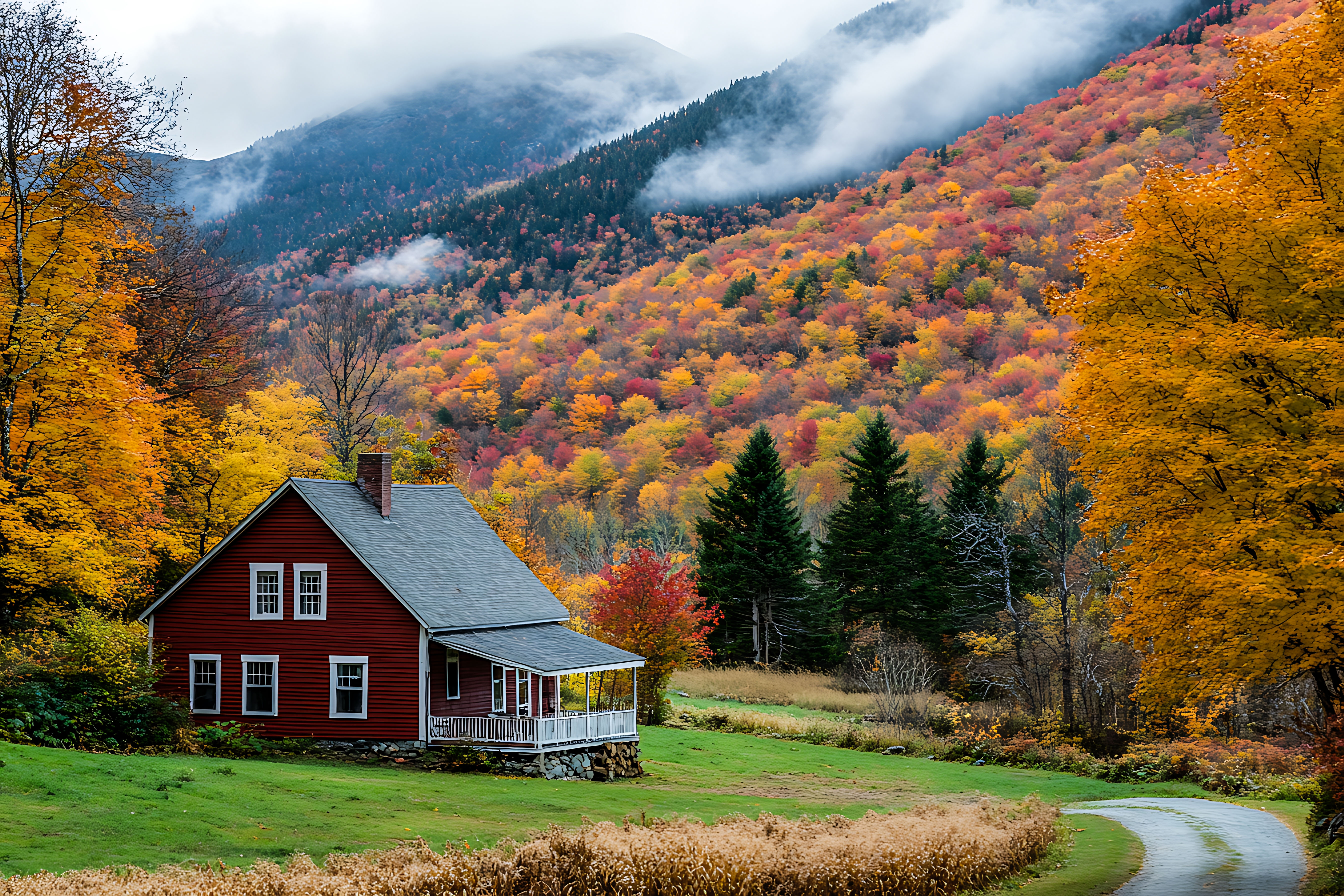
Fall Home Maintenance Tips for Safeguarding Your Property
Preparing your home for colder months is one of the most effective ways to protect your property and avoid costly repairs. A few intentional fall maintenance steps can support your home’s condition, strengthen safety, and even complement your long‑term home insurance strategy. These tasks not only help prevent seasonal damage but also contribute to preserving the value of one of your biggest investments.
As we share these seasonal insurance tips, our goal is to help homeowners stay proactive and reduce risks before winter weather arrives.
Why Fall Maintenance Plays a Big Role in Home Protection
For most homeowners, the property represents a major financial asset. Protecting that investment requires ongoing attention, especially in the months leading up to winter. Fall is an ideal time to address maintenance needs that could become much more expensive if ignored.
Postponing small repairs often leads to more serious issues later on. Damage such as deteriorating gutters, cracking driveways, or worn exterior areas can raise concerns for future buyers and create risks that may affect home insurance claims or inspections. Taking care of problems early helps prevent them from escalating.
Simple tasks like clearing gutters or sealing driveway cracks cost far less than repairing structural damage or water intrusion. Prevention almost always requires fewer resources than dealing with the aftermath of neglect.
Evaluate Drainage and Manage Water Around the Property
One of the most important fall tasks is making sure water flows correctly away from your home. When leaves or debris block gutters and downspouts, water can overflow and settle near the foundation. This moisture buildup can lead to structural concerns and long‑term issues.
Homeowners should also disconnect unused hoses and shut off outdoor faucets before freezing temperatures set in. These quick steps help reduce the chances of burst pipes, which can result in costly repairs and potential home insurance claims.
Even though drainage systems are not always visible, they play an essential role in keeping your property protected throughout the colder months.
Look Over the Exterior Before Winter Weather Hits
Cooler temperatures and shifting weather patterns can intensify existing exterior damage. A careful fall inspection allows you to spot and address minor concerns before winter conditions make them worse.
Take time to review your roof for loose or missing shingles. What starts as a small roofing issue can quickly turn into a leak once snow or ice accumulates. While outside, walk the perimeter of your home to identify any other visible areas that need attention.
Driveways, walkways, and exterior steps deserve special focus. Even small cracks can allow water to seep in and expand as temperatures fluctuate. Resolving these issues early helps avoid larger repairs down the road.
Check Windows and Doors for Drafts
Windows and doors are frequent culprits for energy loss during colder months. Worn‑out seals and deteriorated weatherstripping can allow drafts to enter the home, causing heating systems to work harder.
Poor sealing not only affects comfort but may also increase utility costs. Many of these issues can be resolved affordably with fresh caulking or new weatherstripping—simple updates that improve energy efficiency and reduce potential moisture concerns.
Taking the time to inspect these areas supports both comfort and long‑term home maintenance, complementing broader personal insurance planning.
Keep Up With Landscaping and Outdoor Clean‑Up
Yard maintenance is a key part of fall preparation. Trimming back tree branches that hang over the roofline helps reduce the chance of storm damage caused by falling limbs or debris.
It’s also important to remove fallen leaves regularly. Leaves that gather in gutters, on the lawn, or around outdoor systems like HVAC units can restrict airflow, impact equipment performance, and interfere with drainage.
Maintaining your landscaping throughout the season keeps your property looking clean while reducing risks that might affect safety or cause preventable wear.
Give Interior Systems the Attention They Need
While outdoor maintenance often takes priority in fall, indoor systems are just as important. Heating equipment that hasn’t been used since warmer weather should be inspected before peak usage begins. A routine checkup from an HVAC professional can help identify worn parts, clogged filters, or other issues.
If you use a gas or wood‑burning fireplace, scheduling a seasonal inspection helps ensure the system is working safely and efficiently. Addressing potential fireplace concerns early can improve performance throughout winter.
This is also a great time to test carbon monoxide detectors and replace batteries. These simple but essential steps help maintain a safe environment as heating systems become more active.
How Consistent Care Supports Long‑Term Home Value
Regular fall maintenance is about more than avoiding repairs—it plays a direct role in supporting your home’s long‑term value. A property that shows consistent care typically makes a stronger impression on buyers and helps prevent issues that often arise during inspections.
Visible deferred maintenance can lead to lower offers or negotiation challenges. Meanwhile, proactive upkeep helps reduce risks and aligns well with responsible home insurance management.
Whether your focus is avoiding unexpected expenses, improving energy efficiency, or reinforcing your property’s overall condition, seasonal preparation delivers measurable benefits. Addressing small concerns today helps preserve both your investment and your peace of mind as colder weather approaches.
If you’re looking for guidance on protecting your home or want recommendations for trusted local service providers, our team is here to help. We’re always happy to support you through every season with clear client communication and practical policyholder education.